

Bangladesh may have ended their Zimbabwe tour with mixed results, but their victory in the T20I series showed the importance of preparation, adaptability, and executing a clear strategy under pressure. After disappointing performances in the Test and ODI series, the visitors managed to recover strongly and win the three-match T20I series 2-1.
The Bangladesh team arrived in Zimbabwe with high expectations after showing impressive form in previous international assignments. Before the tour, they had secured notable Test victories and achieved a historic ODI series win against Australia for the first time. Those results created confidence that Bangladesh could deliver another strong performance in Zimbabwe.
Table of Contents
However, the reality was much tougher. The team struggled in the longer formats and failed to perform according to expectations. Bangladesh suffered defeat in the Test series and later lost the ODI series 2-1. Their T20I campaign also started poorly, with a defeat in the opening match, raising concerns about their ability to adapt to Zimbabwe’s conditions.
Despite the difficult start, Bangladesh responded positively. They analyzed their mistakes, adjusted their approach, and won the final two matches of the T20I series to secure a 2-1 victory.
Tawhid Credits Clear Strategy for T20I Success
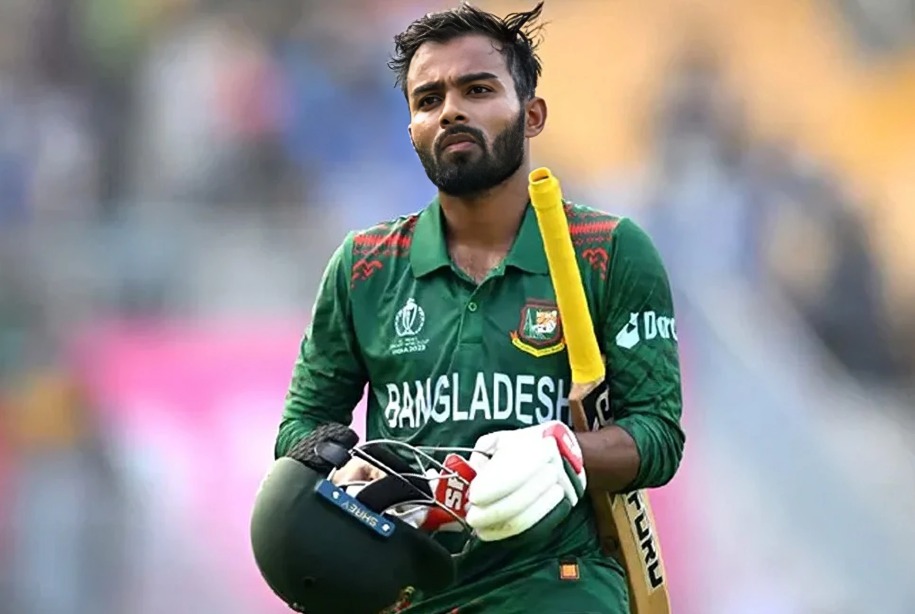
Bangladesh captain Tawhid Hridoy highlighted that having a clear plan was the biggest reason behind their comeback in the T20I series.
Speaking about the team’s improvement after losing the first match, Tawhid explained that the players focused on identifying their weaknesses and finding solutions.
“After losing the first match, we tried to understand where we were lacking and where we needed improvement. We had a very good team meeting after the defeat,” Tawhid said.
He added that the team discussed how to adjust to the Zimbabwean conditions and prepared specific plans for both batting and bowling.
“Both our batting and bowling units were clear about their plans. We focused only on those plans and tried to execute them properly. Winning the last two matches convincingly was very important for us,” he said.
The captain believes that the ability to analyze mistakes quickly and make adjustments played a key role in Bangladesh’s turnaround.
Injury Problems Created Additional Challenges
The T20I series victory became even more significant because Bangladesh had to deal with several injury issues during the tour. Their squad became smaller, leaving the captain with limited options.
Tawhid admitted that leading the team under those circumstances was challenging.
“As a captain, this was a challenging experience for me. Two bowlers were injured, and we had to play with a 13-member squad. Despite having limited options, we were able to win, and that is the most important thing,” he explained.
He added that international cricket often presents unexpected challenges, and teams must learn to adapt quickly.
“Going forward, we have to continue adjusting to these kinds of situations,” Tawhid said.
Difficult Zimbabwe Tour After Early Struggles

Bangladesh’s struggles in Zimbabwe were highlighted by their Test performance. The first Test meeting between the two teams took place in Bulawayo in 2001, where Bangladesh suffered an innings defeat. Over the next 25 years, the two sides played 20 more Tests, and although Zimbabwe defeated Bangladesh several times, none of those losses came by an innings margin.
However, during this tour, Bangladesh experienced a similar setback again after 25 years. In the Harare Test, they suffered a heavy defeat by an innings and 85 runs inside just two and a half days.
The ODI series also proved difficult for Bangladesh. Despite having experienced players and recent success in international cricket, they failed to find consistency and eventually lost the series 2-1.
Adapting to Conditions Was the Biggest Lesson
Tawhid, who was part of the squad across all three formats, described the Zimbabwe tour as a challenging but valuable experience.
“Of course, it was a challenging series. We did not play according to expectations in the previous two series. The conditions here were different,” he said.
However, he refused to describe the conditions as impossible to handle.
“We are professional cricketers, and our job is to adapt to any conditions. In the T20I series, we were able to do that and win,” Tawhid added.
According to him, small mistakes were responsible for Bangladesh’s failures in the Test and ODI formats.
“In the previous two series, we lost because of some small mistakes. But in T20 cricket, we played better cricket. We had limited options because many players were injured, but we still managed to win, Alhamdulillah,” he said.
First Overseas Captaincy Experience for Tawhid
The Zimbabwe tour was also a special milestone for Tawhid Hridoy, as it marked his first time leading Bangladesh in an overseas series.
The young captain admitted that the experience was challenging but rewarding.
“This was my first overseas captaincy experience, so it is very special for me. So far, everything has gone well, Alhamdulillah,” Tawhid said.
The T20I victory provided Bangladesh with much-needed confidence after disappointing results in the earlier matches. More importantly, it showed that the team could recover from setbacks by identifying problems, creating clear strategies, and executing plans effectively.
For Bangladesh, the Zimbabwe tour may not have produced the overall results they wanted, but the T20I comeback offered a positive lesson: strong planning and adaptability remain essential for success in international cricket.
Read More:- Why Was Sanju Samson Left Out of India’s Zimbabwe T20I Squad? Full Reason Behind His Omission
Conclusion
Bangladesh’s Zimbabwe tour was a mixture of disappointment and learning experiences. Although they struggled in the Test and ODI series, their T20I comeback showed the value of clear planning, teamwork, and adapting to challenging situations. The series victory will give the team renewed confidence as they prepare for future international challenges.