
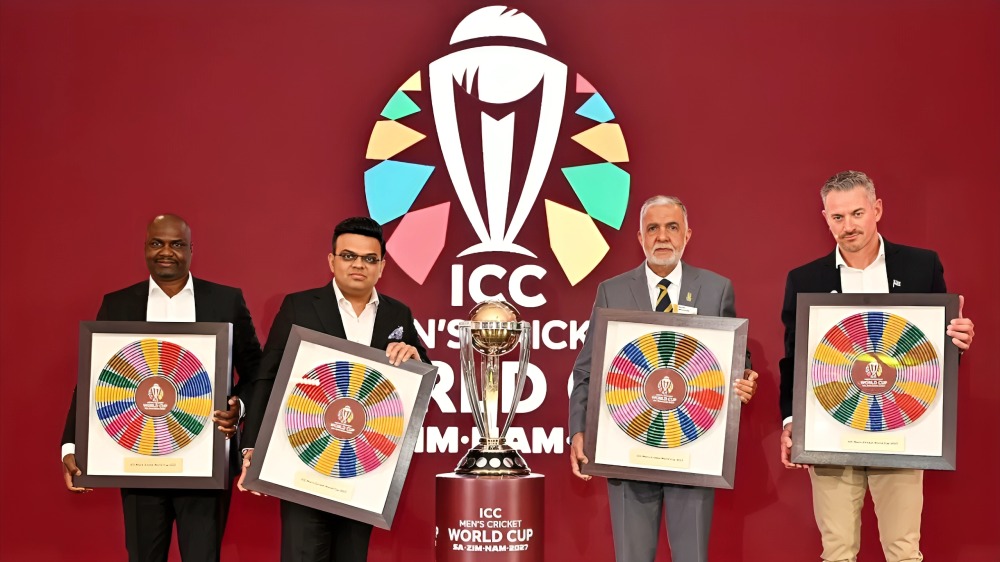
The 2027 ICC Men’s ODI Cricket World Cup will mark a historic return to Africa, more than two decades after the continent last hosted the prestigious tournament in 2003. Co-hosted by South Africa, Zimbabwe, and Namibia, the event is being positioned as far more than a global cricket competition—it is an opportunity to showcase Africa’s sporting growth, cultural diversity, and increasing influence on the international cricket stage.
Tournament organizers hope 2027 ICC Cricket World Cup will inspire future generations, expand cricket’s popularity beyond its traditional audiences, and leave a lasting legacy across the continent.
Table of Contents
Africa’s Cricket Landscape Has Changed Dramatically Since 2003
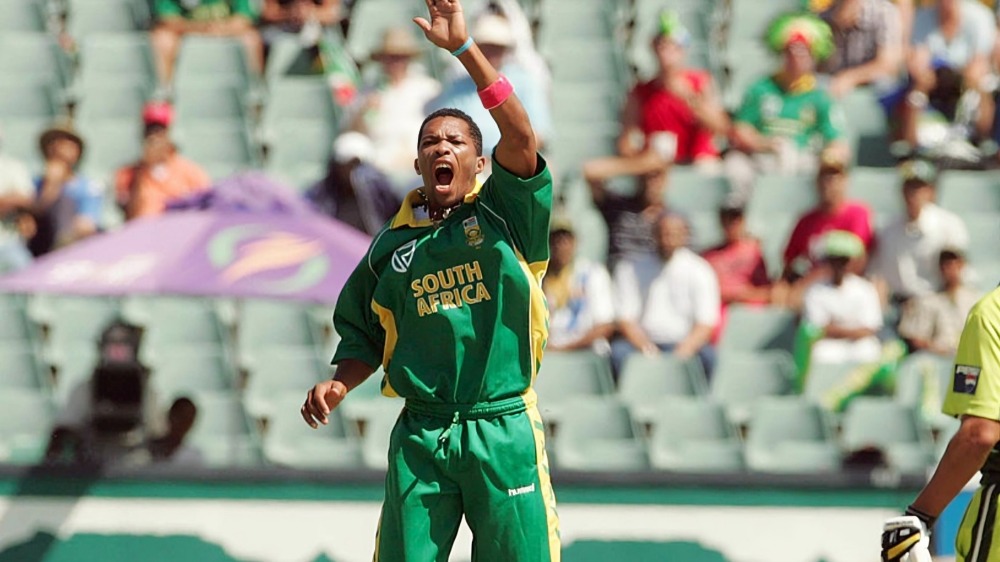
When South Africa hosted the 2003 Cricket World Cup, the sport looked very different across the region.
Former South African fast bowler Makhaya Ntini served as one of the tournament’s iconic figures, while current Proteas captain Temba Bavuma was only 12 years old and remembers the event through its famous zebra mascot, Dazzler. Fast bowler Kagiso Rabada, meanwhile, was just eight years old and had not yet begun his cricket journey.
Twenty-four years later, the game has undergone a remarkable transformation.
Cricket has expanded far beyond its traditional communities in South Africa and Zimbabwe. Participation now includes players from a much broader range of ethnic, cultural, and social backgrounds, while fan support has grown significantly across southern Africa.
Although only South Africa and Zimbabwe are currently expected to feature in the tournament, with Namibia still battling for qualification, all three nations are playing a major role in hosting the competition.
Official Launch Celebrates African Culture
The official launch of the 2027 World Cup took place in Johannesburg, featuring music, spoken-word performances, and appearances from former and current cricket stars who will serve as tournament ambassadors.
The tournament’s official slogan, “Come for the cricket, stay for the culture,” reflects the organizers’ ambition to introduce international visitors to Africa’s unique traditions, landscapes, and hospitality.
South Africa captain Temba Bavuma believes the World Cup provides an opportunity to change international perceptions of the continent.
He said the host nations want to showcase Africa’s natural beauty, cultural richness, and ability to organize one of the world’s biggest sporting events. Bavuma described the tournament as a chance for South Africa, Zimbabwe, and Namibia to demonstrate what the region is capable of achieving together.
Rabada Excited to Play World Cup at Home
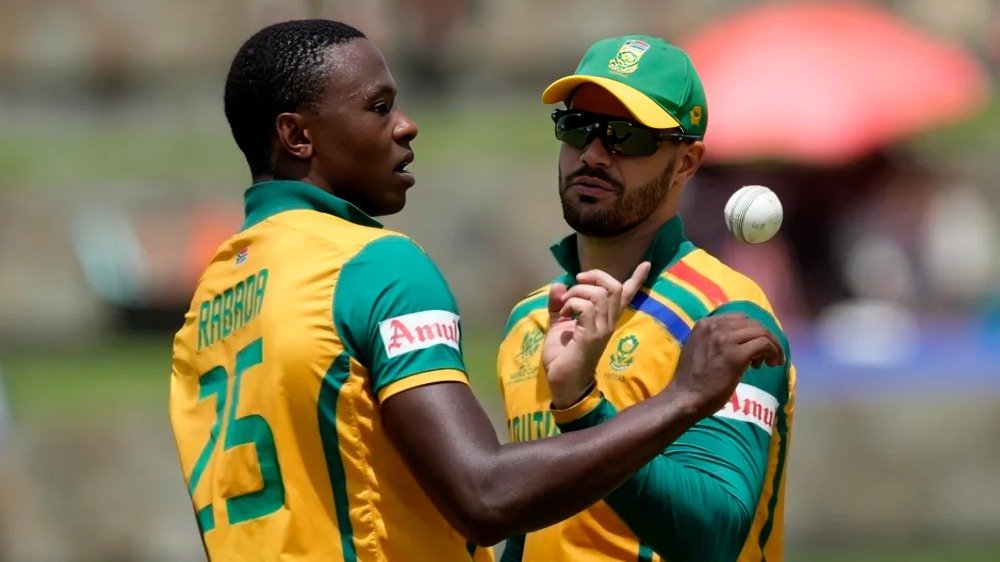
Proteas pace spearhead Kagiso Rabada admitted he is eagerly awaiting the opportunity to compete on home soil.
Having become one of Africa’s biggest cricket stars, Rabada believes playing a World Cup in South Africa will be one of the highlights of his career.
However, alongside the excitement comes the expectation of finally delivering South Africa’s first-ever men’s ODI World Cup title.
The Proteas have repeatedly fallen short in ICC tournaments despite producing world-class teams over several decades.
Ntini Urges Media to Reduce Pressure on South Africa
Former fast bowler Makhaya Ntini, who experienced the pressure of hosting the 2003 tournament, urged South African media and supporters not to burden the current team with unrealistic expectations.
He acknowledged that discussions about South Africa’s history of falling short in major tournaments often dominate coverage, particularly references to the team’s reputation for “choking” under pressure.
Ntini believes greater focus should instead be placed on how much South African cricket has progressed over the past two decades, particularly in developing talent and broadening participation across the country.
Cricket Becoming More Inclusive Across Africa
One of the biggest success stories highlighted ahead of the tournament is the increasing diversity within African cricket.
Rabada pointed out that today’s player base and supporter groups represent a much wider cross-section of society than in previous generations.
This transformation is especially visible in Zimbabwe, where cricket has expanded well beyond its traditional demographic.
Former Zimbabwe captain Hamilton Masakadza believes the sport now reflects the country’s broader population, with increasing numbers of young players embracing cricket at grassroots level.
According to Masakadza, the game’s future in Zimbabwe is now focused on long-term growth rather than simple survival.
Read More:-
- Bangladesh Best Spinner Bowler: Top 5 Greatest Spin Bowlers in Cricket History
- Why Was Sanju Samson Left Out of India’s Zimbabwe T20I Squad? Full Reason Behind His Omission
Namibia’s Cricket Rise Continues
Namibia has also emerged as one of African cricket’s fastest-growing success stories.
Despite having a population of only around four million people, the country has invested heavily in cricket infrastructure, including the construction of a modern 11,000-seat international stadium in Windhoek.
Former Namibia international Rudi van Vuuren, now president of Cricket Namibia, described the venue as a symbol of the nation’s commitment to developing the sport and attracting major international events.
The stadium is expected to host several World Cup matches if Namibia secures qualification.
Iconic Venues to Showcase Africa
The 2027 tournament will be staged across a variety of unique venues that highlight Africa’s diverse geography.
Zimbabwe’s Fale Mosi-oa-Tunya International Cricket Stadium, located near the spectacular Victoria Falls, is expected to become one of the tournament’s most visually stunning venues.
South Africa’s famous cricket grounds—including Centurion and St George’s Park—will offer fans a blend of modern facilities, passionate crowds, and traditional match-day atmospheres.
Organizers hope visiting supporters will experience not only world-class cricket but also the rich tourism opportunities available throughout southern Africa.
World Cup Promotes Regional Unity
Beyond sport, tournament organizers also hope the World Cup will promote unity across southern Africa.
Speaking during the launch event, former South African Finance Minister Trevor Manuel, now a member of the tournament’s Local Organising Committee (LOC), addressed the growing issue of xenophobia in South Africa.
He emphasized that southern Africa shares a long history of cultural and regional connections that existed long before modern national borders were established.
Manuel called for greater unity between neighboring countries, condemning discrimination, intolerance, and violence directed toward migrants from elsewhere on the continent.
His message highlighted the belief that the World Cup should serve not only as a sporting celebration but also as a symbol of cooperation and mutual respect throughout Africa.
Cricket Development Continues Beyond the World Cup
Preparations for the tournament are already driving further investment across African cricket.
Zimbabwe Cricket officials recently travelled to Tanzania to help inaugurate a new cricket stadium, while Cricket Namibia is preparing to announce a tri-nation series involving South Africa and Zimbabwe later this year.
Meanwhile, the Africa Cricket Association is working toward launching its inaugural continental T20 competition within the next two years.
These initiatives demonstrate that cricket’s growth across Africa is accelerating, even without the financial resources enjoyed by many of the sport’s traditional powerhouses.
A Tournament Designed to Leave a Lasting Legacy
The 2027 ODI World Cup is expected to be far more than a major international sporting event.
For South Africa, Zimbabwe, and Namibia, it represents an opportunity to inspire new generations of players, strengthen cricket infrastructure, attract global attention, and celebrate Africa’s cultural identity on the world stage.
More than two decades after the continent first hosted the Men’s Cricket World Cup, Africa returns with greater confidence, stronger cricket programs, and a clear ambition to prove that the sport’s future on the continent has never looked brighter.